Understanding Multi-Parameter Particle Analysis
페이지 정보

본문
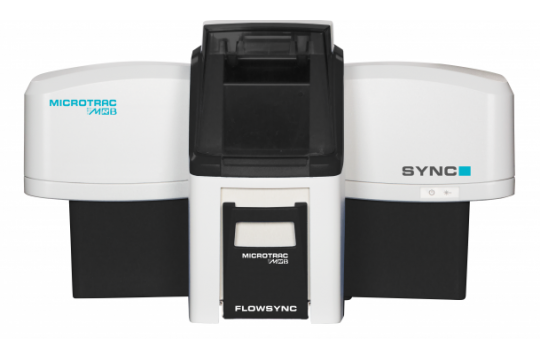
Employing multi-parameter analysis of particles enables profound discovery in diverse scientific fields.
Classic approaches typically examine only one or two physical properties at a time—yet natural particles, including cells, airborne droplets, and 粒子形状測定 colloids, display complex, correlated characteristics.
Researchers can now evaluate a suite of features concurrently: fluorescence levels, angular light distribution, geometric form, flow speed, and biomarker expression—uncovering relationships and clusters undetectable through univariate analysis.
Its core depends on high-speed devices including flow cytometry instruments, digital holographic microscopes, and optical particle sizing systems—which generate complex measurement vectors representing each detected entity.
These vectors form multidimensional data points that can be visualized and interpreted using statistical and computational techniques.
Dimensionality reduction tools including t-SNE and UMAP help distill multidimensional data into interpretable clusters of similar particles—while machine learning models can classify particles into predefined categories based on learned patterns from labeled training sets.
Researchers must navigate data saturation and mitigate artifacts arising from instrumental drift, spectral bleed, or inconsistent sample processing.
Proper calibration and normalization are essential to ensure that variations in measurements reflect true biological or physical differences rather than technical artifacts.
Spectral compensation techniques are routinely used to disentangle overlapping fluorescent emissions—and region-based gating enables the selection of specific subpopulations via defined thresholds across multiple axes.
Its applications extend into a broad spectrum of research areas.
Multi-parameter flow cytometry in immunology identifies elusive immune populations by analyzing co-expression patterns of surface antigens, facilitating personalized diagnostics and immune tracking.
Environmental researchers use particle sensors to quantify size distribution, chemical makeup, and light-scattering behavior of aerosols for pollution source identification and air quality evaluation.
In pharmaceutical development, multi-parameter analysis helps characterize drug delivery vehicles by evaluating their stability, surface charge, and loading efficiency simultaneously.
Modern computational resources enable minute-scale processing of datasets encompassing millions of individual particles—facilitating population-wide trends and high-confidence statistical inference.
The integration of artificial intelligence further enhances the ability to detect subtle patterns, predict particle behavior under varying conditions, and automate the identification of anomalies or novel populations.
With technological maturation, the field is moving away from manual thresholds toward algorithm-driven, standardized, and scalable analysis workflows.
Open-source software tools and standardized data formats are helping to promote collaboration and transparency across research communities.
Ultimately, multi-parameter particle data analysis transforms raw measurements into meaningful biological, chemical, or physical insights—equipping researchers to shift from descriptive profiling to predictive modeling and mechanistic insight into intricate particle dynamics.
- 이전글Case Study: Dynamic Imaging in Pharmaceutical Injection Product Testing 25.12.31
- 다음글789bet 25.12.31
댓글목록
등록된 댓글이 없습니다.